Entry · Ref BZFGPBD8
How to Choose the Right City Tours in Barcelona
- Posted
- 2026-11-26
- Last amended
- 2026-11-26
- Account
- @barcelonacitytourden
Choosing among city tours barcelona takes more than picking a pretty route. The city is dense, busy, and full of small details that are easy to miss when you rush past them. A good tour should match your time, pace, interests, and tolerance for crowds. Start with the basics, then narrow the field until the choice feels practical rather than guesswork.
Start with what you want to see
Before looking at tour titles, decide what kind of day you want. Barcelona rewards several different approaches, and the best option depends on whether you want broad context or a closer look at one part of the city. A first visit often calls for a route through the old town, with stops that explain how the medieval streets sit beside later avenues and modern buildings. If architecture is your main interest, look for a tour that gives real time to buildings instead of treating them as quick photo stops. casa batlló is a useful example of a place where the story behind the design matters as much as the facade.
Food can also shape the route. A food tour works well when you want to understand local habits through markets, small shops, and tastings, but it should leave space between stops. Otherwise the day becomes a string of crowded counters. A panoramic view may suit a shorter visit, especially when you want to orient yourself before exploring on your own. The point is to choose a theme first, because a tour that tries to cover everything often explains less.
Check the route, not just the headline
Tour names can sound similar while covering very different ground. Read the route description carefully and note the starting point, the main stops, and where the tour ends. A route through the old town may include narrow lanes, plazas, and landmark buildings, while another may focus on the waterfront and barceloneta. Both can be worthwhile, but they create different days. If you have limited time, a tour that starts and ends near your base can save a surprising amount of walking.
Watch for vague wording such as "see the highlights" or "explore the city" without named areas. That may be fine for a relaxed introduction, but it makes it harder to judge value. A clear route tells you what you will actually have time to absorb. It also helps you spot overlaps. If you already plan to visit museu picasso on your own, a tour that spends a long portion of the day there may not be the best use of your schedule.
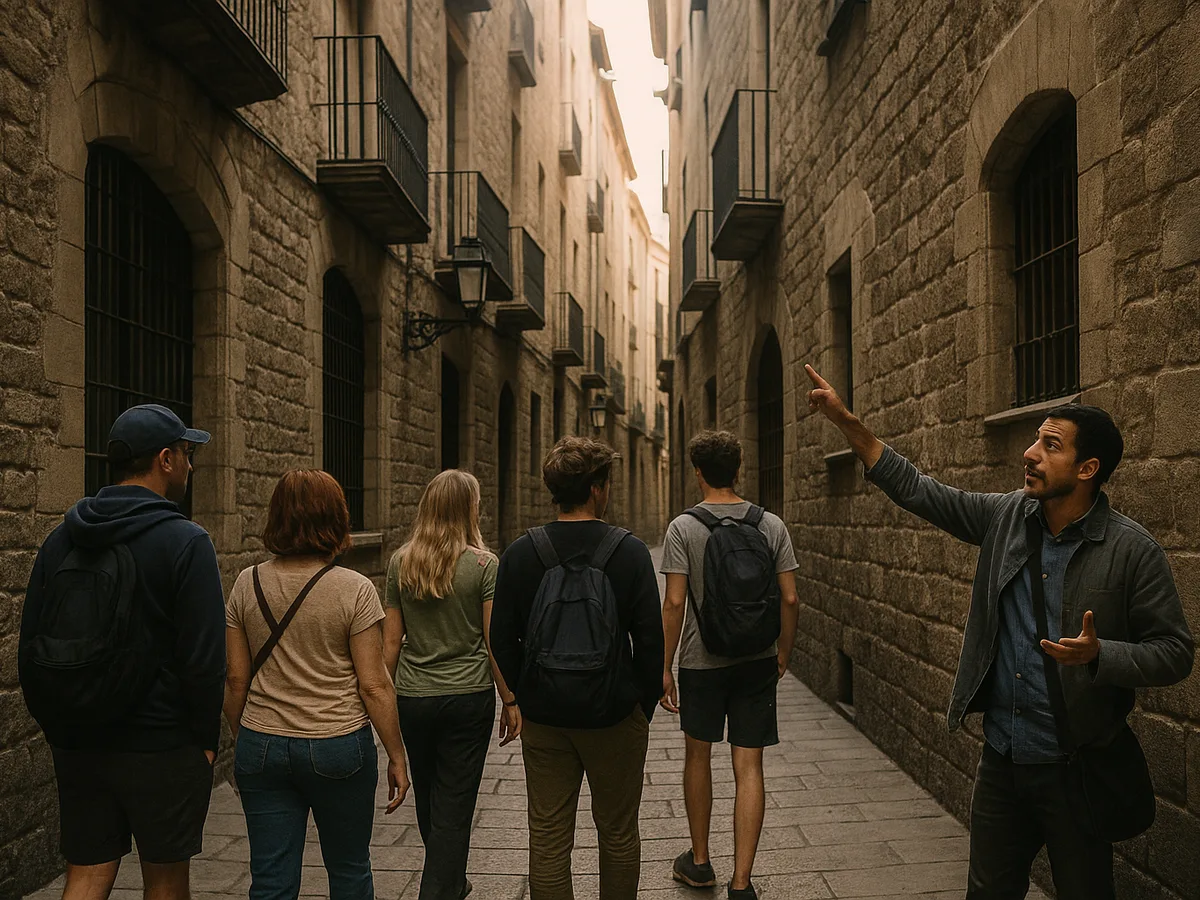
When comparing options, City Tour in Barcelona can be treated as one name to note while you check the route details that matter to your day. Do not rely on the title alone. Look at the order of stops, the length of each pause, and whether the walking is spread out or concentrated in a short burst.
Match the pace to your group
Pace matters more than many people expect. A tour can be rich in content and still feel tiring if the group moves quickly between stops and stands for long periods. Think about who is joining. Children, older travellers, and anyone with limited mobility may need fewer stops and more seating. A route with many cobblestone streets or steep sections can be harder than the map suggests.
Ask what the walking level means in plain terms. "Easy" may still involve several kilometres across a day. "Moderate" may include stairs, uneven ground, or long stretches in the sun. If the route uses an e-bike tour format, check whether riders need confidence in traffic and whether the pace suits beginners. A bike based route can cover more ground, but it is not ideal for everyone, especially in busy areas.
Also consider how the group is handled. Smaller groups usually make it easier to ask questions and hear the commentary. Larger groups can move more slowly at stops and may feel less personal. Neither is automatically better. A lively landmark with many people may be manageable with a bigger group, while a quiet lane or small courtyard often works better with fewer voices.
Look closely at the guide and the commentary
The guide shapes the day more than the route alone. A strong guide connects streets, buildings, and local habits without turning the tour into a memorised list of dates. Look for descriptions that mention clear storytelling, local context, and room for questions. The best commentary helps you notice details you would otherwise pass by, such as the shift between narrow medieval streets and wider modern planning.
Check whether the tour is offered in a language you can follow comfortably. Understanding the language is not only about convenience. It affects how much of the explanation you can keep. If the guide switches between languages, the flow may be uneven. If audio equipment is used, ask whether it is easy to hear in crowded areas and whether all members of the group get the same access.
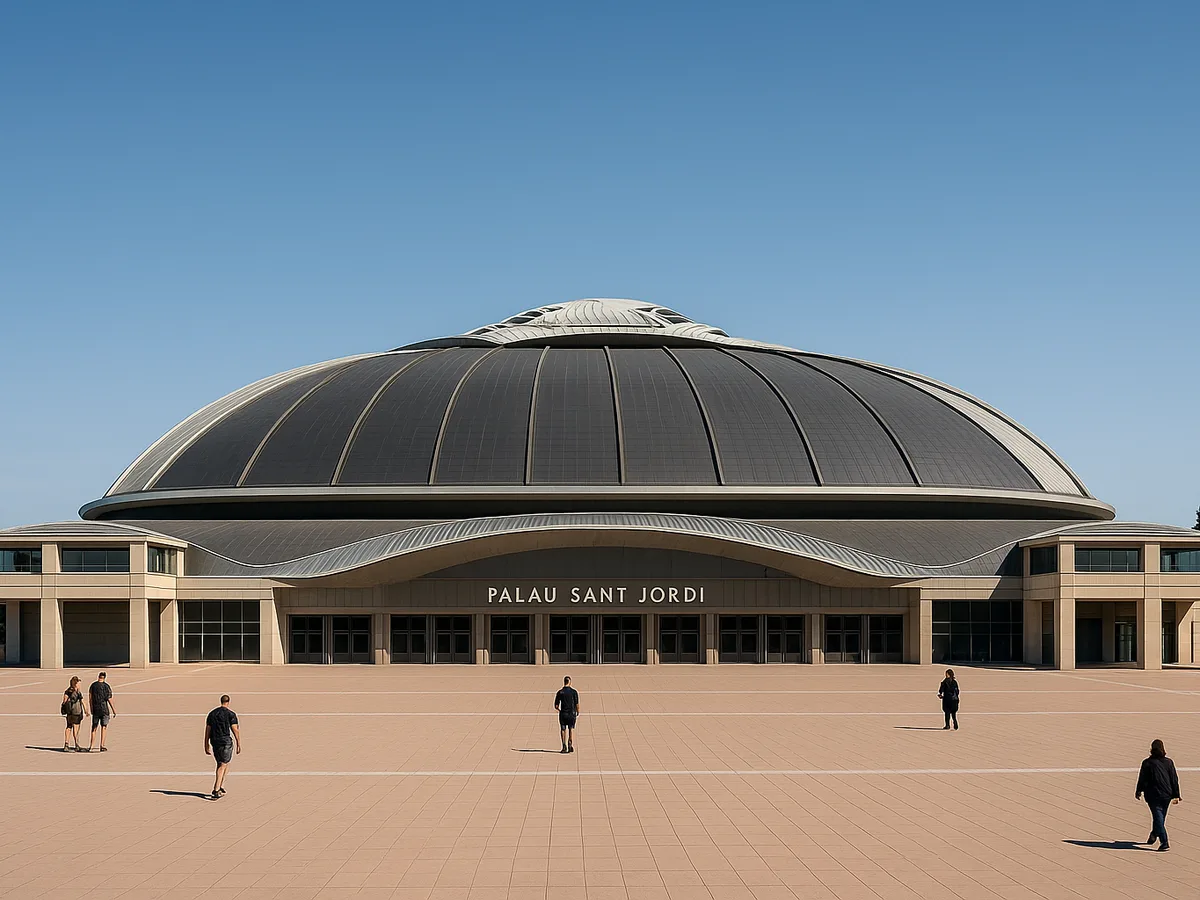
A good architecture tour should explain styles and choices in simple terms, not bury the day in technical language. A history focused walk should link events to places you can see. A food focused route should explain what you are tasting and why it belongs there. In each case, the commentary should add something you could not get from a map.
Compare timing, access, and practical details
Timing can make or break the experience. Morning tours often feel calmer in busy areas, while later routes may suit people who prefer a slower start or different light for photos. Consider the weather as well. Barcelona can be warm and bright, and a route with little shade can feel long. If rain is likely, check which parts of the tour still work comfortably.
Access is another point to check before choosing. Some old buildings, narrow streets, and underground spaces can present problems for pushchairs orwheelchairs. If a stop involves entry to a building, confirm whether the tour includes admission or simply views it from outside. That distinction changes both the cost and the depth of the visit. It also affects the pace, since entry lines can eat into the schedule.
Read the meeting details with care. A clear meeting point, a sensible end point, and a realistic duration are signs that the day has been planned with visitors in mind. If the ending point is far from where you want to be, factor in the time and energy needed to get back. City Tour in Barcelona may come up while you compare options, but the practical details still deserve a close read.
Use reviews with a critical eye
Reviews can help, but they are easiest to use when you look for patterns rather than single opinions. Repeated comments about clear commentary, a manageable pace, or good organisation are useful. Repeated complaints about confusion at the start, too much waiting, or unclear route descriptions are equally useful. One unhappy review may reflect a bad day, while the same issue raised often suggests a real problem.
Pay attention to reviews from people with similar interests. A traveller who wanted a detailed architecture talk may judge a general walk harshly, even if that walk suits a first visit. Someone who expected a full meal may dislike a food tour built around short tastings. Match the feedback to your own purpose instead of treating every rating as equal.
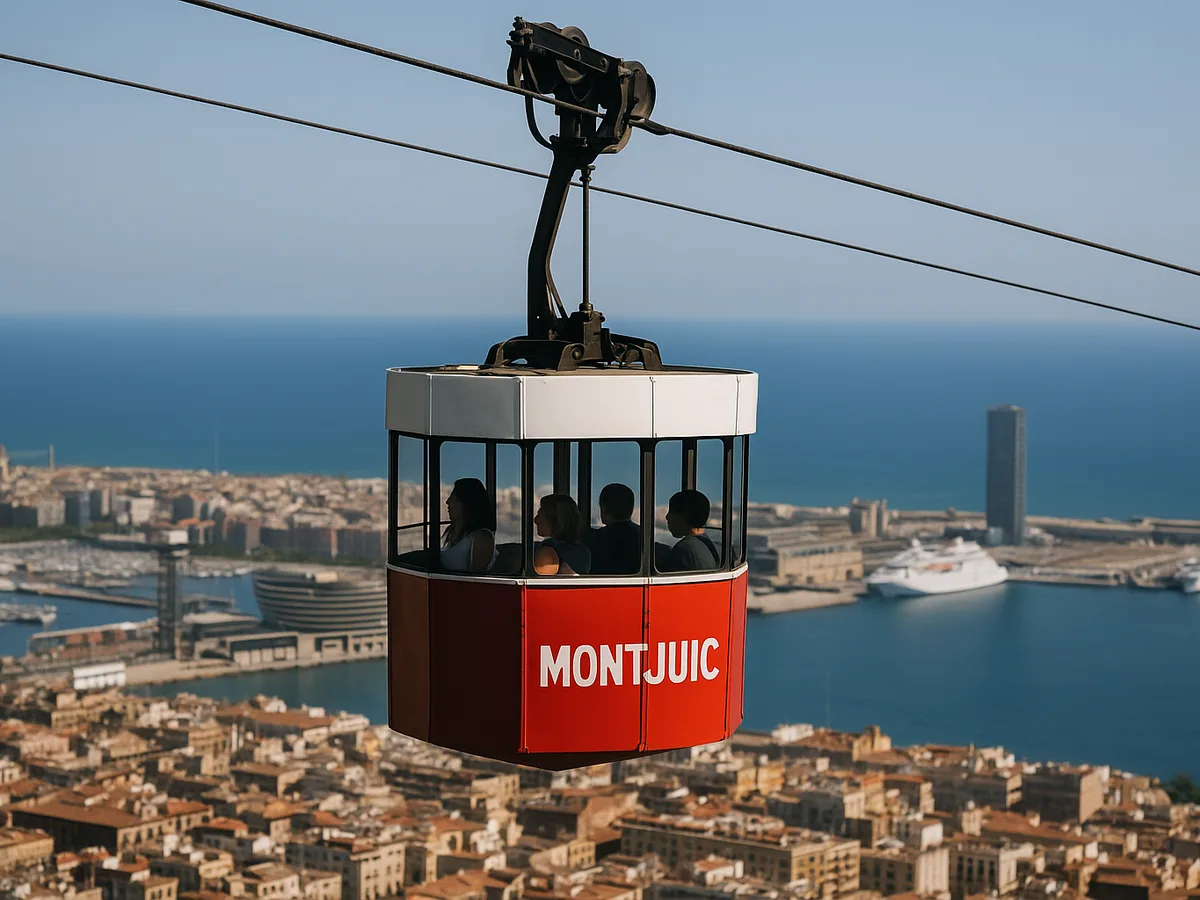
Also check how recent the comments are. Routes, group sizes, and meeting arrangements can change. Recent feedback is usually more helpful for judging what to expect now. Look for specific details that connect to the tour description, such as whether the listed stops were actually visited and whether the duration felt accurate.
Make the final choice by fit
By this point, the decision should be less about which tour sounds impressive and more about which one fits your day. Choose the route that covers the places you care about, at a pace your group can enjoy, with commentary in a language you understand. Leave room for wandering afterwards, especially in the old town, where the best moments often happen between the main stops.
A well chosen tour gives you a framework, not a rigid script. It should help you understand the city, then make you want to explore a little more. If a route leaves you with clear bearings, a few new questions, and enough energy for the rest of the day, it is likely the right choice.